Reconciliation belongs to all of us. The National Council for Reconciliation invites everyone across Canada to take part in this shared journey towards lasting change.
The National Council for Reconciliation (NCR) is an independent, non-political, permanent, and Indigenous-led organization whose purpose is to advance reconciliation between Indigenous and non-Indigenous Peoples.
We work in service of the accountability that Survivors, First Nations, Inuit, and Métis Peoples have called for over generations, while helping make reconciliation progress visible to all people in Canada.
That mandate was demanded by Survivors and enshrined by the Truth and Reconciliation Commission of Canada (TRC). When the TRC concluded its work in 2015, it didn’t simply bear witness to the harms of residential schools and colonialism. Through its 94 Calls to Action, the TRC laid out a clear path toward accountability, naming specific legislative and funding mechanisms required to make monitoring real and permanent. Calls to Action 53 through 56 called for the establishment of a permanent, independent, Indigenous-led organization to monitor, evaluate, and publicly report on reconciliation progress across Canada. Bill C-29 (An Act to provide for the establishment of a national council for reconciliation), was introduced in Parliament in June 2022.
The National Council for Reconciliation Act received Royal Assent on April 30, 2024, and came into force on July 2, 2024, fulfilling Call to Action 53 and laying the foundation to address Calls to Action 54, 55, and 56.
The Act establishes the Council's independence from government, requires public reporting to Parliament, and ensures that reconciliation monitoring has a permanent legislative foundation and cannot be paused, redirected, or dissolved by political change. It creates the permanent, accountable structure Survivors envisioned, one that will uphold the work of reconciliation for generations.
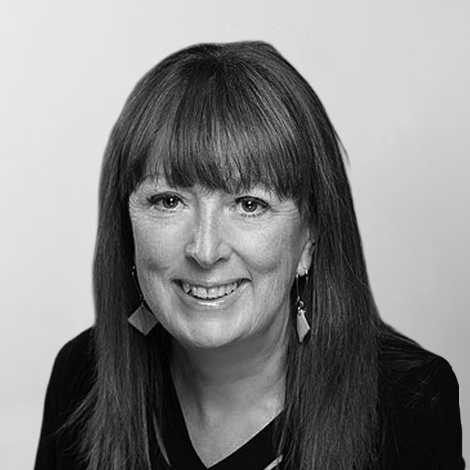
"I walk this path because it's the most important example that I can set for my children, grandchildren and all children. I live in hope for our current and future generations. How can I expect this of others if I don't walk the talk myself?"
Charlene Bearhead, Board Member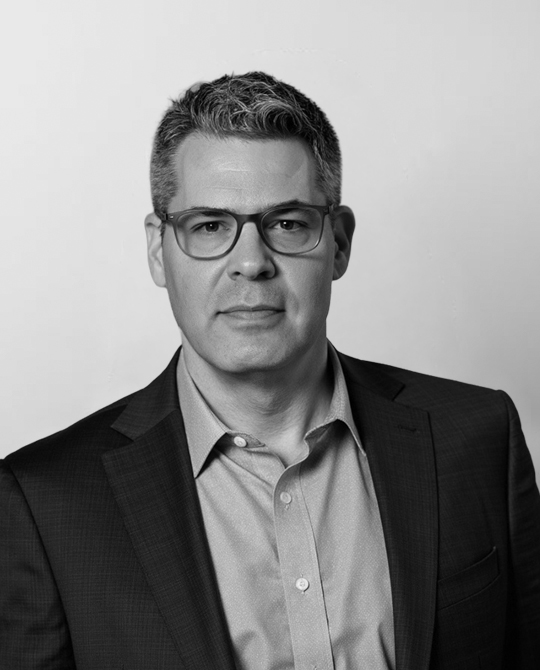
"Helping to advance reconciliation honours my parents and grandparents, as well as the countless Indigenous activists and leaders who, along with many supporters, advocate for Indigenous peoples' rights and enable the conditions that support reconnection and revitalization. This is the privilege of opportunity, a privilege that many people before me have been denied."
Jonathan Dewar, Board Member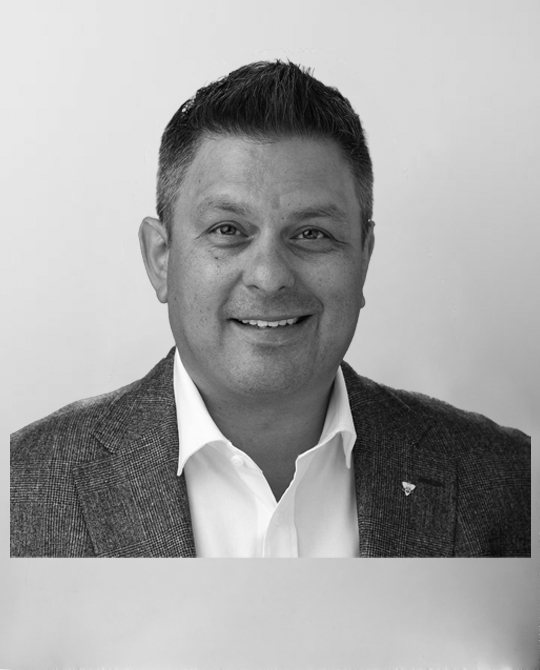
"Reconciliation is not an abstract national project. It is a responsibility that belongs to each of us, and especially to those of us who have the privilege of serving in leadership roles. Canada cannot move forward honestly without confronting the truth of its past and the continuing impacts of colonial systems on First Nations, Inuit, and Métis Peoples."
Peter Dinsdale, Board Member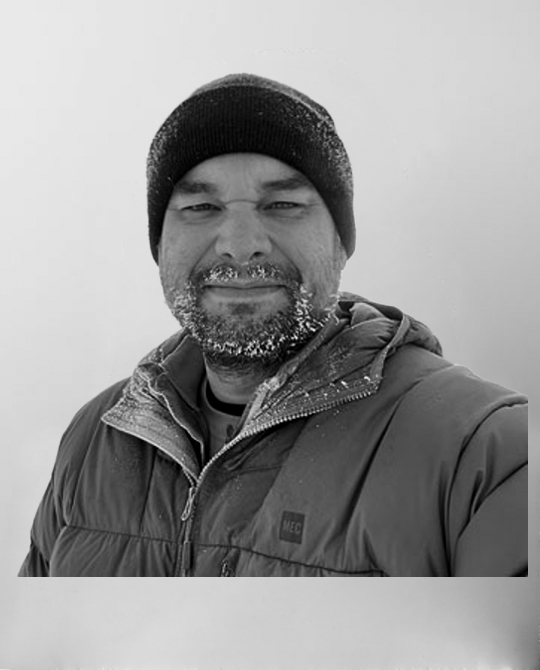
"I walk this path because it's important to re-establish respectful, peaceful, and healthy relationships. Reconciliation is an imperfect and difficult practice, not a destination."
Joseph Murdoch-Flowers, Board Member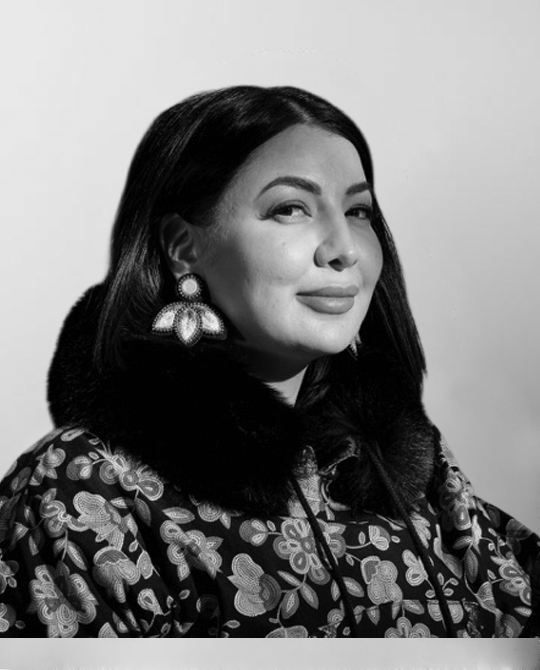
"I believe in the strength, beauty, and brilliance of our communities, and in a Canada where everyone has a fair opportunity to reach their full potential. I am committed to a future where all people thrive, including Indigenous Peoples. This work is deeply personal. It is for our children, our grandchildren, and those who came before us, including my mother, a residential school survivor who carries this legacy. I dedicate my work to her, my great-grandmother, and all residential school Survivors. "
Mahalia Yakeleya Newmark, Board Member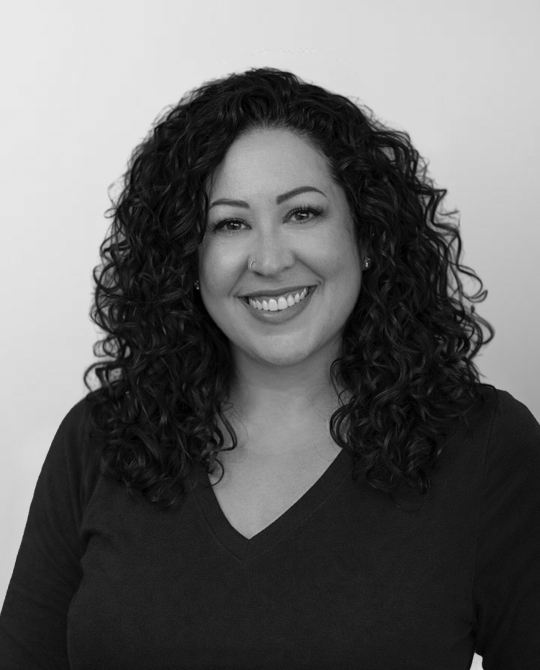
"Reconciliation is personal, ancestral, and lived in my life. As a Métis woman from Saskatchewan, my understanding of this work is grounded in family history, community, and responsibility to future generations. Throughout my career, working at the intersection of Indigenous communities, industry, and governance has reinforced my belief that reconciliation must move beyond intention into meaningful action. I believe lasting change is built through trust, accountability, respectful relationships, and a shared commitment to doing the work differently together."
Julie Ann Wriston, Board Member